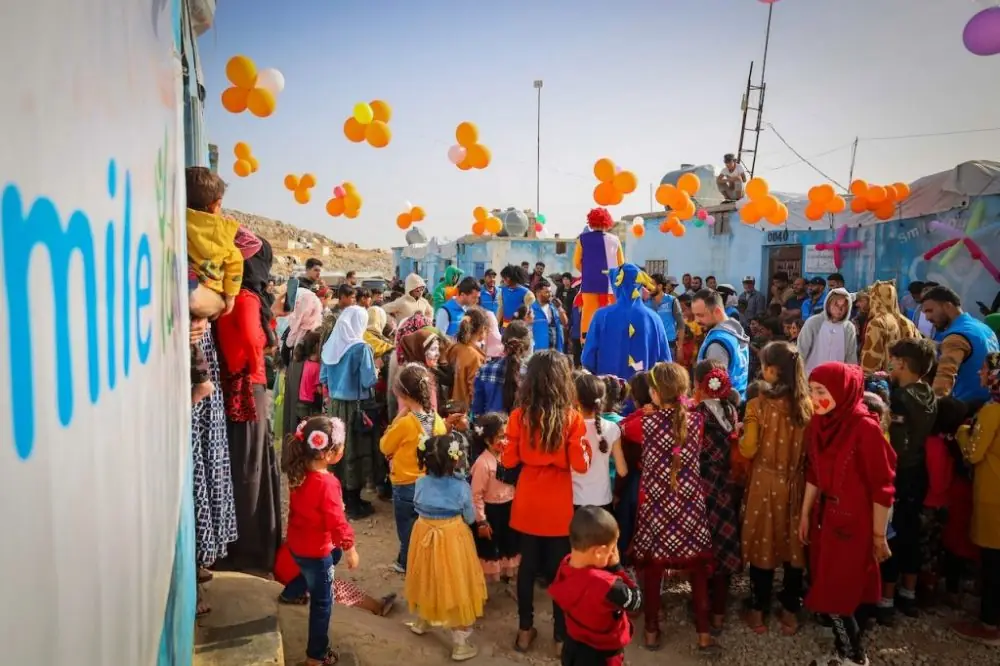
At its core, asylum is a protection granted to foreign nationals in a country because they have suffered persecution or have a well-founded fear of persecution. And this could be due to:
- Race
- Religion
- Nationality
- Membership in a particular social group
- Certain political opinion
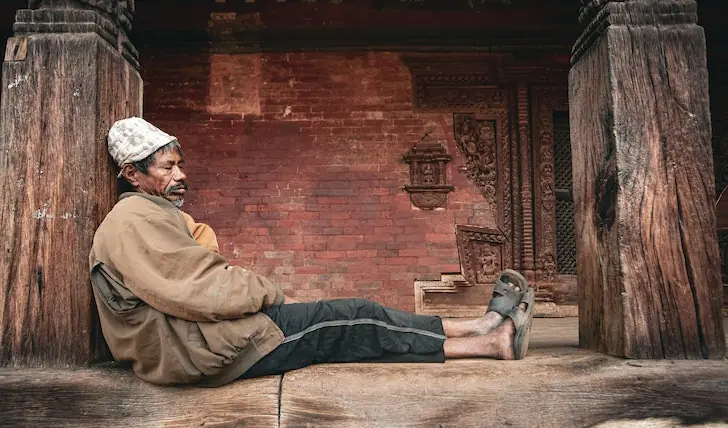
Simply put, it is like giving someone a safe haven because going back home could be dangerous or even deadly for them.
Who Is an Asylum Seeker?
Essentially, an asylum seeker is someone who has fled their home, crossed international borders, and formally applied for asylum in another country.
Picture it this way: Imagine your house is on fire, and you dash over to your neighbor’s porch, knocking on their door, asking if you can stay with them until it is safe to return. That is kinda what an asylum seeker is doing. But on a much larger and often scarier scale.
Is Crossing the U.S. Border Legal?
Now, a hot potato question: Is it legal to cross the U.S. border to seek asylum? Here is the straight answer: Yes, it is legal! U.S. law and international agreements allow individuals to arrive at the border or within the country and request asylum, regardless of how they arrived or their current immigration status.
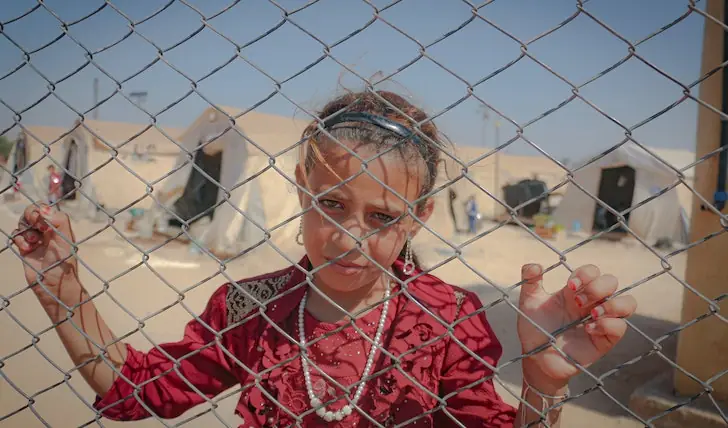
So, it is a bit like the universal rule of safety in a game of tag. If you can get to ‘base’, you can not be tagged. But, of course, seeking asylum and being granted asylum are two different matters.
So, Is Seeking Asylum Legal?
In a word, yes! The right to seek asylum is recognized in the Universal Declaration of Human Rights and is codified in the United Nations 1951 Refugee Convention and its 1967 Protocol. And many countries, including the U.S., have agreed to abide by this international principle.
Essentially, it is an agreement that when people are in danger, they have the right to knock on the world’s door and ask for help.
Why the Asylum Ban in the U.S. Then?
You might wonder, if the right to seek asylum is internationally recognized, why do countries like the U.S. sometimes enact “Asylum Ban” policies?
Every country has its reasons. Some might say it is for national security. Fearing that among the genuine asylum seekers, there could be individuals with ill intentions.
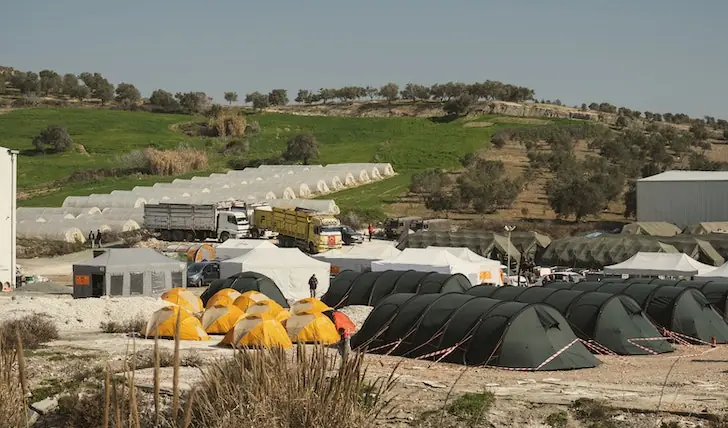
Others might argue it is about resources; after all, accommodating and processing a large number of asylum seekers can strain a nation’s resources. Still, others may say it is to deter what they believe to be “frivolous” or “fake” claims.
However, it is essential to remember that the vast majority of asylum seekers are genuinely fleeing danger and persecution. Thus, asylum is more than just a legal term or policy point. It is about real people seeking safety and a better life. The world can be a rough place, and for those in desperate situations, the act of seeking asylum is a beacon of hope.
While every nation has the right to protect its borders and resources, it is essential to approach the topic with compassion and remember the human stories behind the headlines.