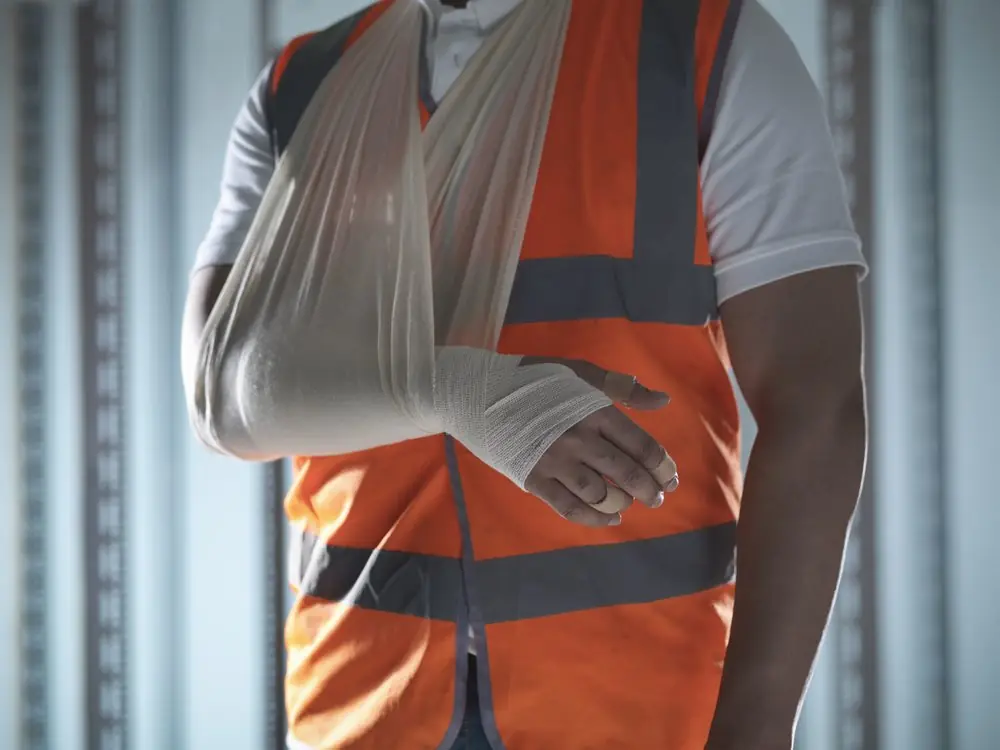
Frauds that include personal injuries are a growing problem everywhere in the United States of America, and, if you do not protect yourself in time, you can face issues more serious than just losing money.
The steady increase in fraudulent claims is a big issue for those who are legitimately suffering injuries in slip and fall accidents and making their lawsuits more difficult to manage.
Having someone file a claim against you can cost you a lot of money, even if you end up not having to pay for any damages. Attorney fees for litigation will definitely cost more than just trying to settle the claim and the negative publicity is something we can all do without.
Categories of fraud
Soft Fraud: This is a more common of the two main types of fraud. It usually happens in legitimate claims, however, the injured person is trying to increase the payout by exaggerating their injuries. During soft frauds, claimants will also sometimes use prior injuries and include them into their new claim for damages.
Hard fraud: This is a rarer and much more serious type of fraud. It occurs when someone (who most of the time has help from other people) stages an accident or finds other ways to create circumstances that lead to real or fake injuries. This type of fraud is a bigger issue and will lead to criminal penalties as well as potential civil penalties.
There is little to nothing that you can do to stop a person from filing a claim that is, in its base, fraudulent. However, there are steps that you can take to prevent ever having to pay out those people.
How do they mostly do it?

The most common way these “hard frauds” are being carried out is by having a partner in crime. One of the people who are trying to file a false claim will pick a spot where they believe they won’t be spotted and pour a bit of liquid on the floor.
The other one will either pretend to fall (or really do fall), sometimes even causing legitimate injuries to their own body. The person who spilled the liquid is the one that will usually report the incident.
What is the best way to notice these and protect your store from fraudulent claims?
Stopping them from executing such plans is almost impossible. In the end, if a person wants to fall, there is not much you can do. However, having proper surveillance set up will make a difference between catching them in the act and paying out tens of thousands of dollars as well as losing your reputation+.
As always, when it comes to offering proof, having visual evidence, like a photograph or security footage of the accident will destroy any of the possible arguments they may try to put forward.
What if you cannot properly set up surveillance cameras to cover certain areas of the property?
In that case, the second best thing you can do is hire someone whose job is to be on the lookout for shoplifters and people trying to pull a quick one over you. Simply having someone monitor the parts of your store that cannot be covered by CCTV will serve as a major deterrent for dishonest people.
Another option that you might have is simply going through the footages before the alleged accident to notice if any of the injuries they are citing in their claims were apparent in their previous behavior. If they have walked in limping, it might be that they are just trying to use the accident they had at home to make a quick buck.
What if you don’t have any visual evidence?
Unfortunately, this is where it becomes difficult. Without any evidence and with their claim actually having grounds on account of other determining factors when it comes to slip and fall accidents (like your negligence, liability and the possibility to claim they had no fault in the accident), you will have to disapprove their claims in other ways. As always, the first step you would need to take is to consult your attorney who will then check if the person filing a lawsuit has a history of fraudulent behavior.
In the end, if you did not properly protect yourself prior to the accident, it can be really difficult to defend yourself from this type of claims.