More and more people are getting on social media. According to a recent survey conducted by PEW, 74% of all internet-using adults have a social media presence, a number which has grown significantly since the time the survey was first conducted. People share all kinds of details about their personal lives on the social media, such as pictures, videos, political and social perspectives, feelings, and experiences, among other things.
However, all this can negatively impact your claim to personal injury, and hence, lawyers recommend that you minimize, if not cease, your social media activity while a claim for personal injury is ongoing.

How Your Posts on Social Media Impact Your Claim?
There are many reasons why you may have filed a personal injury claim. The claim is subdivided into two parts: the first portion is for the expenditure which was incurred to treat the injury, and the second is damages of non-economic nature, such as the pain or the suffering directly associated with the injury.
Claimant Must Prove Damage Caused by an Injury
The onus to prove the claims lies on the claimant, and he or she must bring in relevant experts in a court of law to show how all the claims made by the claimant are valid and deserving of reimbursement. The defense, the party against the claimant, is going to reject or minimize the claims made by the claimant, and prove how the damages being claimed are not nearly as severe as the claimant has stated. As evidence, and this happens quite often, the defense brings up posts from the social media profiles of the claimant.
For example, lets assume a claimant says they suffered from chronic pain due to an accident which led them to miss out work and claims damages for both treatment of the injury as well as foregone wages. The defendant goes to the claimant’s social media profiles and finds a picture of the claimant hiking with his or her friends after the injury and during the time frame the claimant is filing a claim for. That picture would be used as evidence to defeat the case of the claimant.
Claiming Emotional Distress? Social Media May Prove Otherwise

If the claim is for emotional distress caused by an accident, such as anxiety, loss of enjoyment, depression, withdrawal from society, among others, the claimant must still prove the damages. If the claimant is also an active user of social media, and posts personal feelings and other details of his or her life, the defense would immediately go to the social media profile of the claimant and look for proof that the claimant is not in, or was, in any emotional distress.
This could be in the form of pictures showing the claimant celebrating occasions with his or her friends, being socially active, posts showing positivity, all of which could be used to reduce the damages being claimed by the claimant.
Is a Social Media Post part of the Public Domain?
Only information available in the public domain can be used in the court of law as evidence, which begs the question: are your social media posts in the the public domain? Yes, they are! Anything shared by you on any website, which is available to be viewed by anyone who has access to the internet, automatically becomes part of the public domain and can be used as evidence against you in the court of law.
To protect yourself against this, it is good practice to put your social media profiles in privacy mode so that only those who are connected to you on those social media websites can view content on your profiles.
Some More Good Practices While Using Social Media
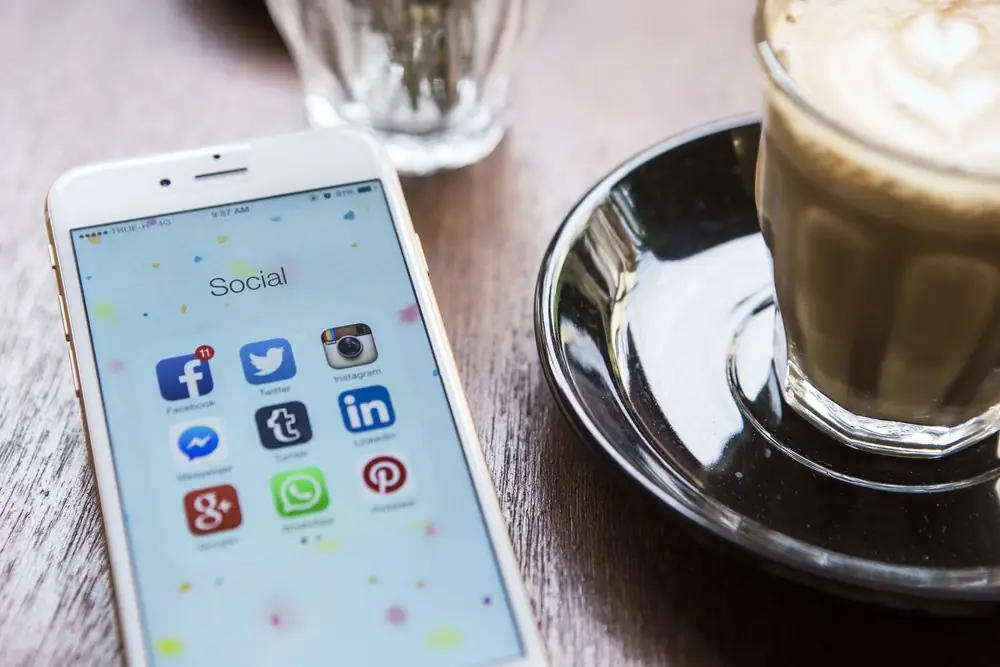
If you have suffered from an accident recently, and are filing a claim for personal injury in the court of law, it is highly recommended that you suspend all your social media activity till the claim is settled. If you don’t wish to do that, then at least put your profile in private mode, giving access to only a selected few people who are on your friend’s list and refraining from accepting any more friend requests or posting on public forums.
It is also recommended that you stop your friends and family from posting anything about you on their social media profiles as well, as that could also be used as evidence against you.