Freelancers often hit a few extra hurdles when they try to qualify for a personal loan. Without a monthly salary slip to point to, some lenders get cautious. Still, unsecured personal loans are very much within reach—you just have to show consistent income and keep your paperwork in order.
With a clear understanding of what lenders expect and a strong financial profile, freelancers can secure the funds they need without driving up borrowing costs.
Understanding Eligibility
Most lenders look for applicants aged 21 to 60, a credit score of at least 700, and a documented pattern of steady earnings over one to three years. Even with the natural ups and downs of freelance income, demonstrating reliability matters more than perfection.
If you’re new to freelancing or still experiencing unpredictable cash flow, it may help to wait until your earnings stabilize. A solid income trail not only raises your approval chances but may also unlock better interest rates.
Documenting Freelance Income
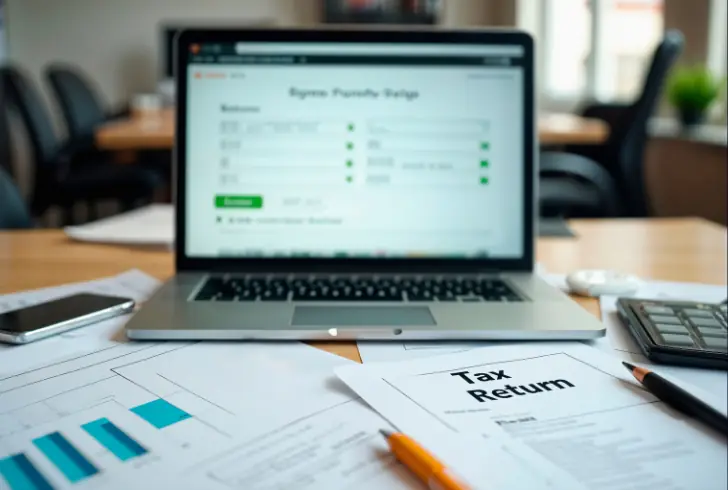
Because freelancers don’t have traditional pay slips, lenders rely on alternative financial proof. Commonly accepted documents include:
- Income tax returns for the past two years
- Bank statements for the last 6–12 months
- Invoices or payment confirmations from clients
- GST registration, if applicable
These records help lenders confirm a dependable income stream. Some institutions also set a minimum monthly income—around $100 in many cases—so it’s worth checking before you apply. Clean, well-organized paperwork speeds up the review process and strengthens your application.
Choosing the Right Lender and Loan Type
Freelancers should compare offers from banks, NBFCs, and digital lending platforms. Certain lenders are more flexible with self-employed applicants and may complete verification faster.
It’s important to weigh interest rates, processing fees, prepayment terms, and available tenures. Some lenders also outline special criteria for freelance borrowers, so understanding these rules beforehand can prevent avoidable rejections.
Application and Verification Process

Most applications happen online. Required paperwork typically includes:
- PAN and Aadhaar for KYC
- Address proof
- Bank statements and tax returns
- Basic business or freelance details
Lenders may follow up with a short phone call or video verification. During this step, they review account deposits, client payments, and overall credit habits to assess financial stability.
Managing the Loan After Approval
Once your loan is sanctioned, take time to review the EMI amount, tenure, interest rate, and other terms. Since freelance income swings from month to month, it’s wise to choose a repayment schedule that doesn’t overstretch your budget.
Planning ahead for quiet months keeps your credit record strong and ensures timely payments. Responsible repayment habits not only prevent additional charges but also help establish long-term borrowing credibility.
With the right preparation, freelancers can secure personal loans and build a solid financial profile over time.