Sometimes, even the greatest of minds can make the silliest of mistakes. But such mistakes can cost a bomb, especially when you’re holding a position of power. Well, something similar happened with Toyota.
Being a household name, Toyota has always been applauded for its innovative ideas and budget-friendly products, but this time the company is making headlines for breaking the law. The Japanese automotive manufacturer has been accused of violating the Clean Air Act protocols set by the United States Environmental Protection Agency (EPA).
The United States government reported that from 2005 to 2015, Toyota failed to follow the EPA rules by hiding the defects in its vehicles. Therefore a federal lawsuit was filed against them by the EPA.
To know more about the lawsuit, stay tuned with us!
Read – Take a look at Toyota’s GR010 Hybrid Le Mans Hypercar
What was Toyota’s fault?
The violation happened because Toyota failed to report issues in its car’s tailpipe regulations systems timely. This led to the filing of a U.S lawsuit against the automaker. To settle things, Toyota had to pay a whopping $180 million fine to the United States government.
What does the lawsuit say?
The federal lawsuit filed by the EPA accused Toyota managers and employees in Japan of hiding the cars’ defects. They said that the company was aware of the issues but failed to report them between 2005 and 2015. As per the Clean Air Act rules, automakers should report to EPA when facing defects relating to an emission control component in 25 or more cars or engines. But in Toyota’s case, the company filed a report after facing issues with at least 78 cars.
According to the EPA’s statement on the settlement, Audrey Straus, U.S. attorney for New York, said that Toyota had shut its eyes to the nonconformity and failed to fulfill its obligation towards the Clean Air Act laws. Straus continued that Toyota’s carelessness delayed emission-recalls and added a financial benefit to the company. She concluded by saying that Toyota’s mistake led to excessive emission of air pollutants.
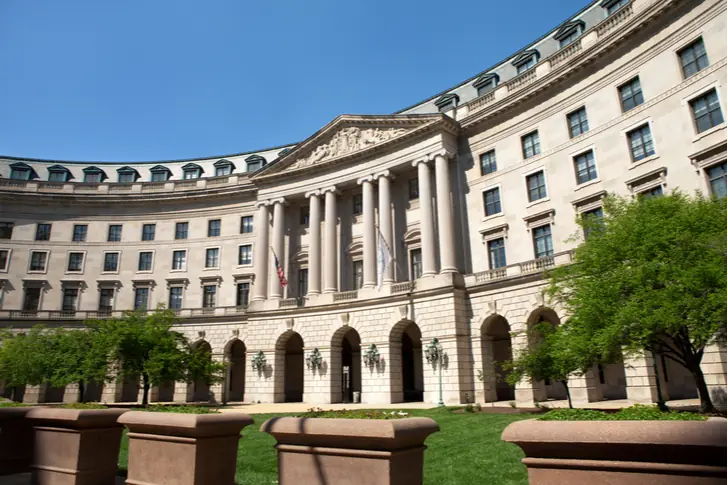
On hearing Audrey’s statement, Toyota’s spokesperson Eric Booth said that the company had alerted the government about the defective cars as soon as they found the problem. Booth continued that the delay in reporting to the EPA had barely caused any emission impact.
Expectedly, Straus wasn’t satisfied with Booth’s statement, so she allowed EPA to extract a fine of $180 million from Toyota. After the settlement, the EPA mentioned that Toyota was among the highest penalty payers to date.
Read: When will the next-gen Toyota Fortuner arrive?
Paying a fine for not following the rules
There have been several instances in the past where leading automotive giants have been involved in similar lawsuits. For instance, in 2016, Volkswagen had paid a $14.7 billion settlement for an emission scandal. Later in 2020, Daimler paid $2.2 billion to settle its diesel emission cheating scandal in the U.S.