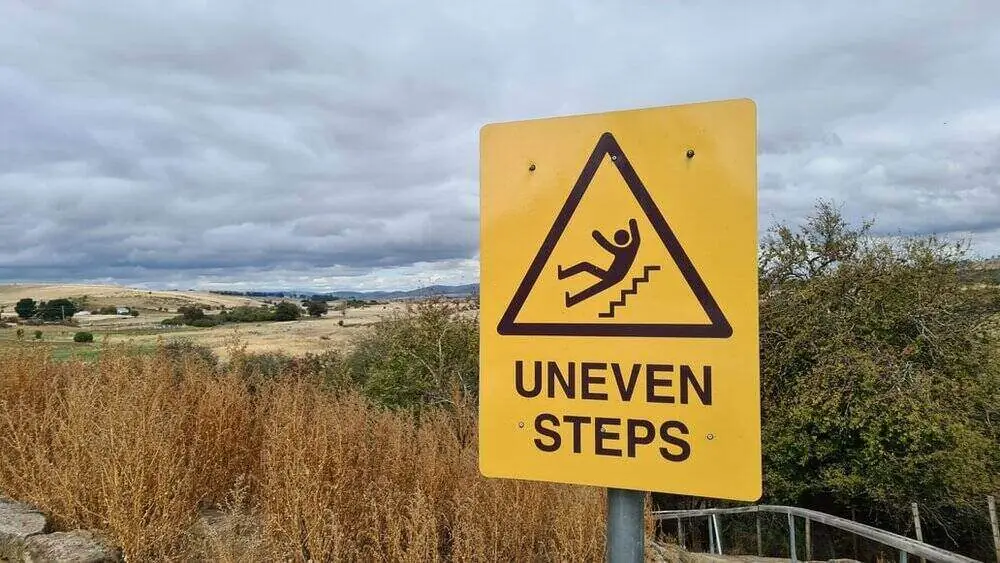
Regardless of how proper your gait is, it’s absolutely impossible that you’ve never slipped and fell in your life. It’s really sad but a bitter truth. Sadder yet: the accident might not even be your fault.
But then, who is responsible? If you suffer minor injuries, or God forbid, serious ones like bone fractures, head injuries, etc., you have the right to know why it happened, or at least, who is to be blamed for it.
Now we know you might consider this blame-game a little too harsh, but hear us out first. Accidental hazards vary with seasons and circumstances. One might trip and fall on an icy sidewalk, an uneven floor, poorly illuminated stairways and parking lots, or even due to electrical cords haphazardly arranged. It can occur in commercial spaces like department stores, hotels, shopping malls, and so on. In either of the cases, the owner of the house or the commercial business can be held responsible as per Premises Liability Law. Yes, there is a law like that, and you can very well exercise it to claim for your injury.
Factors in determining liability
Depending on the place you fall at, the law takes different turns. As the Managing and Head Attorney at the Becker Law Office, Greg Bubalo says, premises liability cases require a complex analysis because the jury has to allocate the responsibility for all the parties involved.

There are certain factors that one needs to keep in mind while determining “premises” liability.
Residential Property
If you fall on a residential property, the owner/tenant can be held liable if they:
- Knew there was a hidden hazard and they didn’t warn you about it
- Were aware of a dangerous condition but were still reluctant to fix it.
Commercial Property
If you fall on a commercial property, the owner/tenant can be held liable if they:
- Caused a spill, or allowed a worn/torn walking surface, or other slippery or dangerous item to be underfoot
- Have been made aware of the dangerous hazard but didn’t remove it or warn you of its existence.
Government Property
If you slip and fall on a government property (city, county, state or federal), then the governmental agency can be held liable for their incapability of maintaining the property. However, in many cases, the government has limited immunity and limited exposure to pay damages. If it doesn’t, it’s important to know that strict notice requirements for filing a claim may apply. But if the rules the government sets are not followed, the claim is barred.
Steps to take after you face the accident
Although it is really important to determine who is responsible for your injury, one needs to take the following steps after slipping and falling:
- Seek medical treatment
- Document everything
- Report the accident
- Decline to give statements
- Call an attorney
We hope this article has sincerely served its purpose of helping you out. But please be careful while you head out of your home!