The term parental liability is often used to refer to the obligations of a parent for making payments for damages caused by the negligent, intentional, or criminal acts committed by their children. Though the parent is responsible for the damages committed by the children the obligation does not begin until the child reaches the age of 8 to 10 and ends when the child becomes a major.
The offenses committed by children can be civil or criminal in nature. Civil cases are lawsuits which are brought against the parent by a person for financial damages. On the other hand, criminal cases are initiated by the government for any violations which may have been committed under the criminal law. A number of cases have been observed where they have triggered civil and criminal repercussions at the same time.
Civil parental liability

The parents are responsible in most states for malicious or willful property damage which may have been done by their children. The steps of cases fall under civil parental liability because they are not criminal in nature. The parent is organized financially to compensate the individual who has been harmed by the actions of the child.
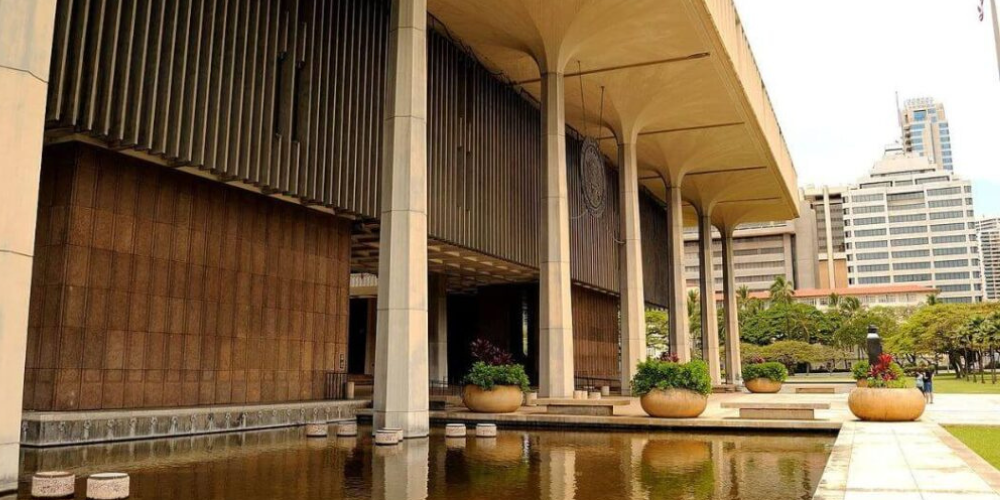
Every state has different laws regarding the monetary benefits on the damages that can be collected which also consider the age limit of the child along with the inclusion of postal injury in the tort claim. The parental liability now from Hawaii is one of the most broadly applied laws because it does not limit the financial recovery and make the parent liable for both negligent and intentional torts by the minor.
Criminal parental liability
The laws make parents criminally responsible for any delinquent acts committed by their children by following the civil liability statutes. Colorado was the first state to initiate a law in 1903 against contributing to the offenses of a minor. 42 other states including DC now have similar laws against contributing to the offenses of a minor.
Firearm access and Internet crime are also other examples of criminal liability which parents will be responsible for. DC and 28 other states have laws for child firearm access prevention which make it illegal for the parent to leave a firearm within reach of their children. Of late, parents have also been made responsible for any online criminal activity of their children.
Minors
Parental liability is applicable only to minor and underage children. The age of majority is considered as the age when a minor becomes an adult according to the laws mentioned by the state. In most states, the age of majority is 18 but a few states have stipulated that 19 or 21 is the age when a minor can be considered as an adult. Therefore parents are advised to verify the states legal age for majority laws.
A minor is considered as a resident of the state where the minors custodial parents or guardians are living. Minor children who are spending time with two parents in different states will attract laws of the state and each parent will be responsible for the actions of the child when in their care.
Insurance coverage against parental liability
Insurance policies for homeowners and renters cover both property and liability and therefore any acts of children which are wrongful and claims of negligent supervision may be covered by the policies despite the act occurring some distance away from the policyholders home. These policies are issued to cover legal liability in cases where people may have suffered injuries while being on the insured property despite the injury being committed by another member of the household because of negligence on the part of the policyholder.