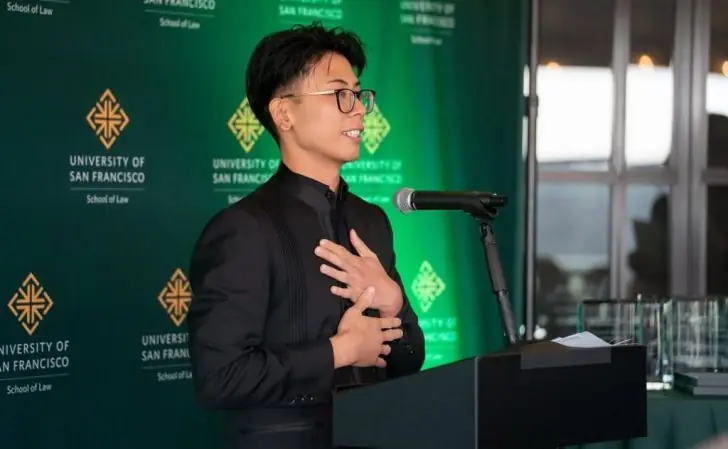
AI is no longer a distant tool for tech companies. At the University of San Francisco School of Law, it is now at the heart of every course and classroom. This move stands out as the first time a law school has woven AI directly into the structure of legal education.
Professors at USF are designing coursework that relies on Claude’s AI capabilities. Lectures and assignments now include prompts where students ask AI to break down evidence or generate trial strategies. This lets them compare machine-driven insights with their own, learning the strengths and blind spots of AI-supported legal reasoning.
The Evidence course shows how AI can track claims, organize facts, and pinpoint gaps in discovery. Students use Claude to simulate litigation steps, building a map of each claim element without guesswork. It teaches a practical skill: How to use AI to sharpen arguments in real time?
They use AI to cross‑reference readings, analyze lecture notes, and double‑check case law. This integration means legal education is no longer locked in static textbooks but linked to a living, searchable system.
Anthropic teamed with Wiley and Panopto to supply teaching materials and video content straight into AI tools. Students watch trial footage, review transcripts, and ask AI to summarize or clarify complex sections. It turns every lesson into an interactive session, where material becomes easier to explore and understand.
How Will Claude AI Help Law Students?
Claude Builder Clubs give students space to test AI applications beyond the syllabus. These groups experiment with legal drafting prompts, automated citations, and motion templates. By sharing their findings, they create a steady flow of fresh ideas that expand how AI can be used in law.
Anthropic launched a free training course that introduces AI fundamentals to students across all campuses. USF law students use this course to practice prompts, refine searches, and critique AI output. It prepares them to apply these skills immediately in class and internships.

With AI in play, students learn to anticipate evidentiary gaps before they derail a case. Claude helps them outline potential objections and plan discovery requests. This proactive approach strengthens legal instincts and shows how technology can guide better decisions early in a case.
Mock trial teams at USF now rely on AI to run scenario testing. They input witness statements and receive AI‑generated predictions of weak points. However, this is not about replacing human judgment but about giving students a sharper lens to review facts before stepping into court practice.
Students draft briefs with AI suggestions that highlight tone, clarity, and citation accuracy. They revise based on what AI proposes, then critique its limits. This ongoing back‑and‑forth improves their command of legal writing and shows them how AI can act as a responsive writing partner.
AI tools allow students to access parallel cases during debates. Instead of relying on memory, they ask Claude to surface related rulings mid‑conversation. This enriches dialogue, grounding arguments in fresh data and helping everyone see how similar issues have been resolved in different courts.